
Think Twice Before Using These 7 Living Room Paint Colors
This post shares living room paint colors you may want to avoid and explains why.
Some colors sound fun until you imagine them on every wall. Then the excitement fades, and the risk feels very real.
I know it can happen often. But it is also true that the right shade can flip the mood of a room fast.
But the living room is something you need to be very careful with. It’s a place where you spend a lot of time, entertain your guests, or make the most important decisions.
That’s why this list matters. You need to learn all about the colors you should never paint your living room.
Consider this your quick heads-up before you grab a roller.
#1: Saturated Red Color
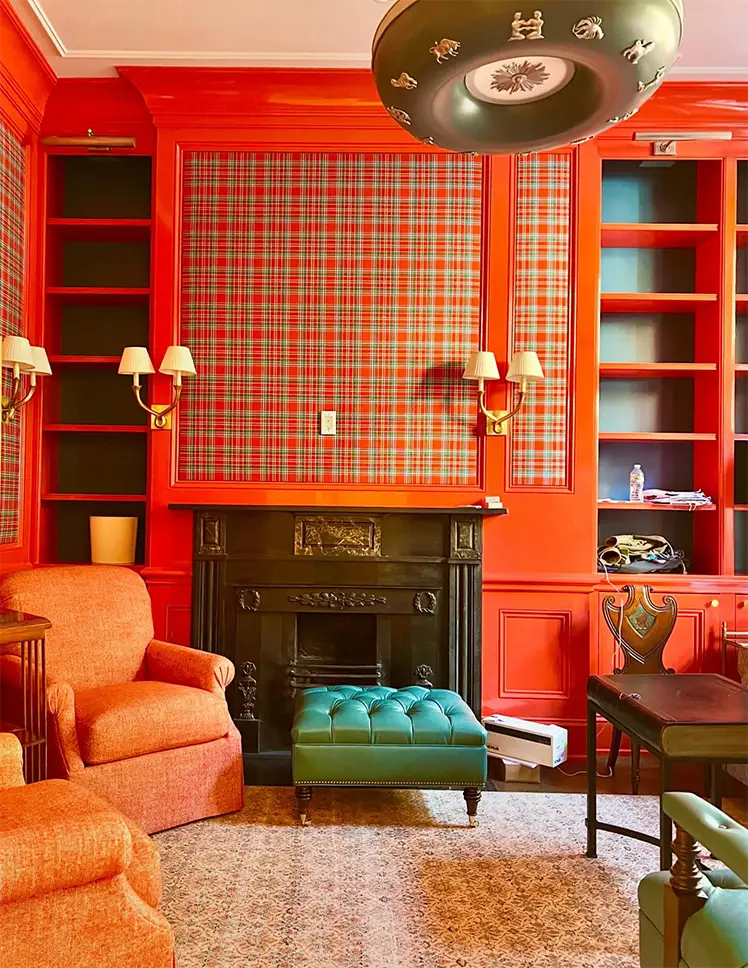
I’ll be honest, red sounds exciting at first, but covering every wall with it changes the vibe fast.
A strong red can make the room feel tense instead of relaxing, especially during long evenings.
On top of that, this shade reflects light in a heavy way, so everything nearby feels darker.
I’ve always noticed that this color steals the spotlight, and nothing else really gets to breathe.
#2: Neon Yellow
You know that feeling when a color feels loud the moment you step in? Neon yellow does that, but only for a moment.
The light bounce is sharp, almost restless, and it pulls attention from everything else. So, instead of settling in, your eyes keep moving around the room.
So, what do you do? Well, if you love yellow, you can try a softer tone instead. It sits better with natural daylight. Plus, it won’t overwhelm your furniture or your eyes.
#3: Hot Pink!
Yes, yes, hot pink looks fun on a sample card. But covering every wall with it? Even thinking about it makes my eyes go crazy.
That’s because it can turn the room into a high-energy zone that never rests.
Color psychologists often say highly saturated pink makes the room feel restless because it keeps your eyes working harder than needed.
It also clashes with many common furniture tones. So styling becomes harder the longer you live with it.
I once tried pink as an accent, and even that small area pulled focus nonstop.
Now imagine a full room…That would be even more intense.
Tip: If you love pink, keep it limited to art or decor, not full walls.
#4: Very Dark Brown
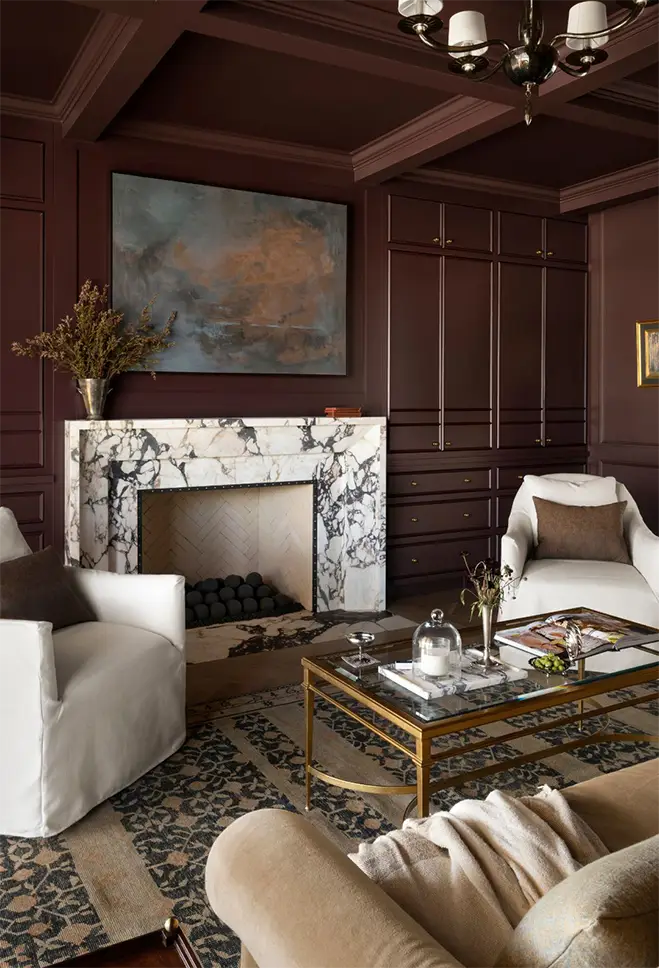
Very dark brown looks rich and cozy, right? Then, a few days ago, I watched an Instagram influencer painting it across the entire living room.
How did it look? Let’s say, I still have nightmares about it.
Designers mention that deep browns “absorb more light than expected.” And that’s true. The color makes large spaces feel smaller and heavier within minutes.
The color also deepens shadows. As a result, the corners lose their open, welcoming feel you want for everyday use.
My Tip: Use brown through wood furniture or accents, and let the walls stay lighter.
#5: Lime or Neon Green Paint
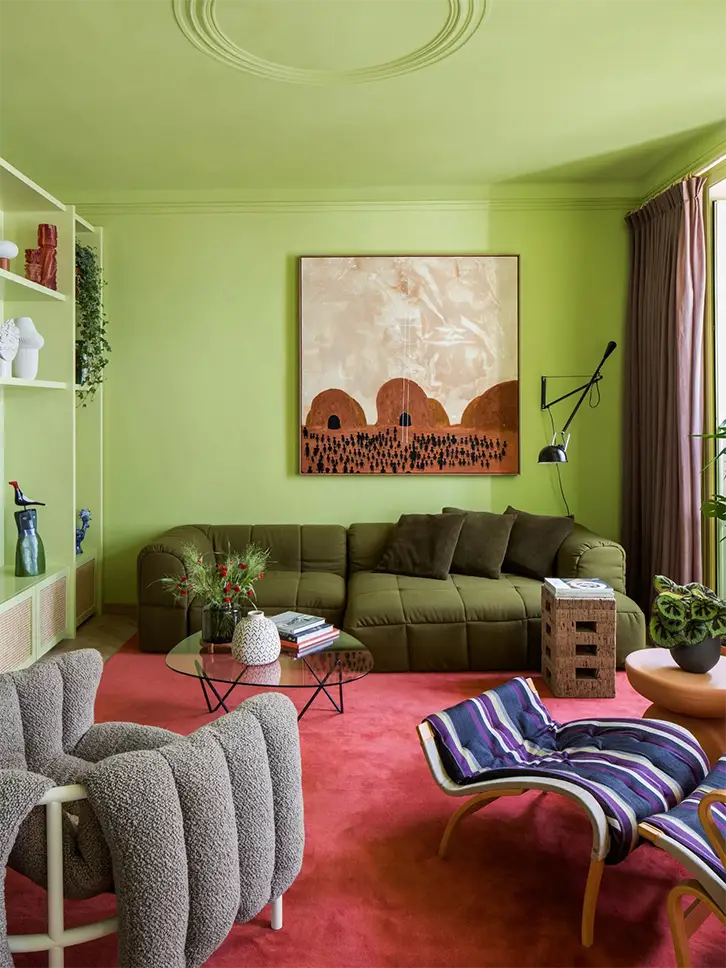
You’ve probably seen lime or neon green look exciting online. But have you pictured it covering every wall at home?
These colors reflect light in a sharp way that makes everything look overwhelming.
Color specialists often explain that these tones “shift the room’s balance and create visual strain during long hours.”
I once tested a neon green swatch in my living room. And guess what? Even that small patch pulled attention from everything else.
Now, imagine that feeling times four walls. Yeah, no more experiments for me.
Pro Tip: If green is your thing, softer or dusty versions keep the space calmer.
#6: Bright Orange
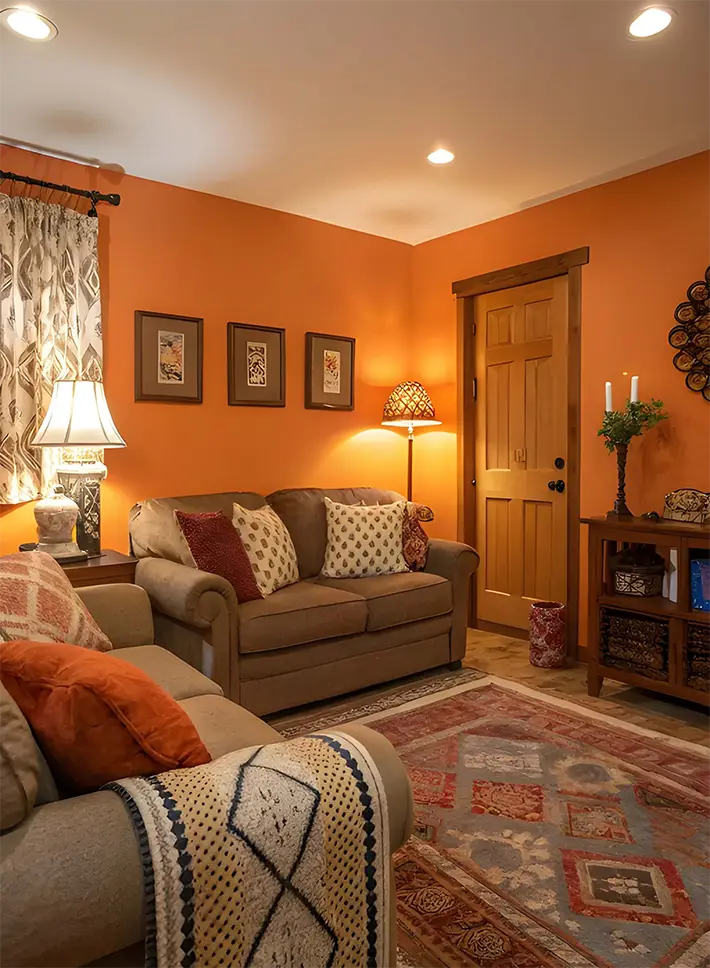
I understand the curiosity to try bright oranges. Because it feels warm and energetic at first glance.
But how does it feel after a full afternoon in the room? On large walls, that warmth turns intense quickly.
And the worst part is that the color starts dominating instead of supporting the space.
If you like the shade, try it in a small accent area or on decor pieces instead. It gives you the vibe without overwhelming the whole room.
#7: Nearly Black and Ultra-Dark
You know that moment when a room already feels a bit off? Painting it nearly black or ultra-dark pushes that feeling even further.
Design experts often explain that nearly black shades blur the edges of a room. That makes any living room feel smaller than it really is.
Besides, these hues absorb more light than expected, so shadows take over fast.
However, some people also say this is just a myth, so I’d rather not get into that debate. My suggestion is simple: if you love darker colors, use them on one wall or in areas that get plenty of light.
Final Thoughts
So, you now know which colors can quietly work against your living room.
Avoiding these shades keeps your space easier to style and way more comfortable to live in. Pick tones that support your daily rhythm, and you’ll feel the difference each time you step inside.